
Industries
Restaurant and Food Service Cleaning
Restaurant cleaning splits between three parties and mixing them up is expensive. Your kitchen staff handle daily line cleaning and sanitation under your food-safety plan. A janitorial vendor handles front-of-house, restrooms, floors and back-of-house degreasing support. Hood and exhaust cleaning and grease trap service are separate licensed trades with their own certification and inspection requirements.
Front of House Is Where Your Reviews Come From
Restrooms above all. In a restaurant, the restroom is read as a proxy for the kitchen, fairly or not, and it is the single most cited item in negative reviews after food and service. It needs multiple checks during service, not a nightly clean — which usually means a porter during service hours rather than more overnight scope.
Floors, Grease and the Slip Problem
Restaurant floors carry a grease film that ordinary neutral cleaner does not remove. It builds invisibly, reduces slip resistance and becomes both a safety issue and an inspection finding. Quarry tile and textured safety flooring need periodic deep degreasing with the right chemistry and proper agitation — not a mop. Grout lines need scheduled attention or they hold soil permanently.
The Department of Health Angle
Cleaning does not make you compliant — your food safety plan does. But a large share of common violation points are environmental: floors and walls in poor repair or unclean, accumulated grease, inadequate restroom facilities, improperly stored waste. A good janitorial programme closes the environmental gaps so your inspection turns on food handling, where it should.
New York City's commercial organics requirements are keyed to thresholds — food service establishments at or above 7,000 sq ft (or 8,000 sq ft combined), chains with two or more NYC locations totalling 8,000 sq ft or more, and food preparation establishments at or above 6,000 sq ft, among others. Unlike a typical office, restaurants frequently cross these lines. Full threshold table.
Our Protocol for This Environment
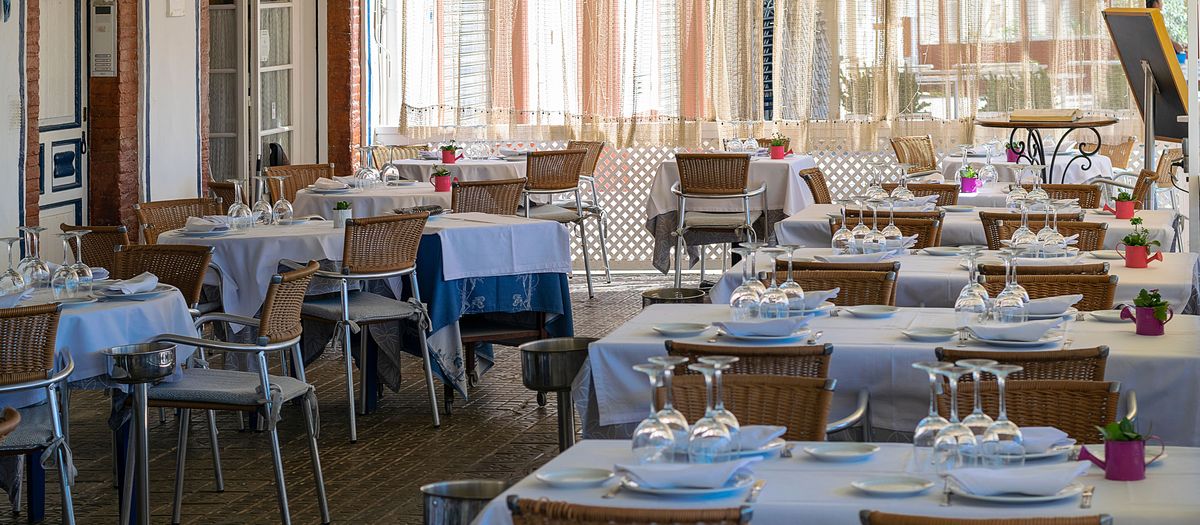
- Front of house nightly: tables, chairs, banquettes, bar surfaces, host station, windows, floors
- Restrooms serviced multiple times during service, not once nightly
- Hard floor degreasing on a schedule appropriate to the surface, with grout attention
- Back-of-house floor and wall degreasing support around the licensed trades' scope
- Walk-in exterior surfaces, shelving exteriors and non-food-contact surfaces
- Waste and recycling staged with organics separated where the establishment is covered
- Entry and sidewalk-adjacent area maintained — the first thing a guest sees
- Post-service reset and pre-opening presentation pass
Get a Scope Built for Your Space
We will walk the space, ask the questions specific to your environment, and send back a written scope, a fixed price and the exclusions.
Get a Scope for This Space
Written scope, fixed price and exclusions, usually within two business days.
We reply to every request. If your building needs a Certificate of Insurance or vendor registration, we handle that paperwork before the first night.
Frequently Asked Questions
Do you clean the hood and exhaust?
No. Kitchen exhaust hood and duct cleaning is a certified specialty with its own inspection and documentation requirements, and grease trap service is separate again. We support the surrounding environment — floors, walls, non-food-contact surfaces — and we will tell you plainly where our scope ends.
Can you clean during service hours?
A porter during service is usually the highest-value thing a restaurant can buy from a cleaning company — restroom checks, spills, front-of-house resets and entry maintenance while guests are in the room. Deep floor work happens after close.
Will this help with our DOH inspection?
It closes environmental gaps — floors, walls, grease accumulation, restroom condition, waste storage — which is where a meaningful share of violation points come from. It does not substitute for your food safety plan, and we will not pretend it does.
Ready for Office Cleaning You Can Actually Check?
Send us your square footage and how many nights you need. You get a written scope, a fixed monthly price, and the SLA in the same document — usually within two business days.