
Commercial Office Cleaning in Midtown & the Plaza District
We provide nightly commercial office cleaning and janitorial services in Midtown & the Plaza District. Class A towers where suite cleaning is often already in your rent, alongside a large stock of older Class B space on the side streets. The most common real need here is supplemental — a day porter, pantry service and periodic deep work — rather than a replacement for the nightly clean.
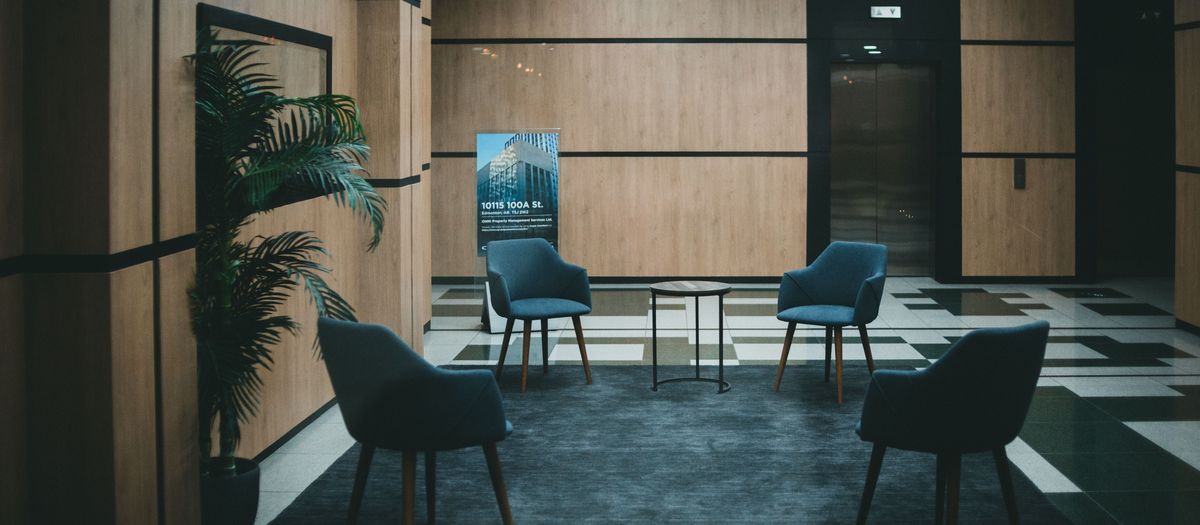
What Kind of Office Buildings Are in Midtown and the Plaza District?
The Plaza District has no official boundary. Brokers use the name for the office core around Park, Madison and Fifth Avenues in the 40s and 50s, with an eastern edge on Lexington and Third. Metro Manhattan, a tenant brokerage, sorts its stock into three tiers, and the tiers clean differently.
Trophy towers. 270 Park Avenue, JPMorgan’s 60-storey headquarters of about 2.5 million square feet, opened in October 2025. Alongside it are 9 West 57th Street, the GM Building at 767 Fifth Avenue and the Seagram Building at 375 Park, and 350 Park Avenue is under construction with a target date around 2032.
Renovated Class A. Older towers that have been modernised: 550 and 590 Madison, 660 Fifth, 280 Park and Lever House at 390 Park.
Class B. Mostly on Third Avenue and in smaller Madison Avenue buildings: the Lipstick Building at 885 Third, 919 Third and 875 Third among them. The same source says there is not much true Class C here.
Between the towers sit older full-block buildings with professional and medical suites. 58 West 57th Street is one: a 31-storey building completed in 1969, running the block between 57th and 58th Streets, with a 24/7 attended lobby, and a listed suite built out with treatment rooms. The Park Avenue towers east of Madison are covered in more detail on our Midtown East page.
Who Cleans the Building and Who Cleans the Suite?
In Midtown the answer turns on the tier more than the street. The table is a general pattern, not a rule: read the cleaning clause of your lease and ask the managing agent before you ask anyone to quote.
| Building type | Who usually cleans the suite | What the tenant normally buys |
|---|---|---|
| Trophy or renovated Class A tower on Park, Madison or Fifth | Often the landlord’s own cleaning company, through the lease | Supplemental work: a day porter, pantry and conference-room resets, periodic deep cleaning |
| Class B building on Third Avenue or a Madison side street | Often the tenant; the building cleans the lobby and common areas | The full nightly suite scope |
| Medical or wellness suite in an older full-block building | The tenant, almost always | A clinical scope with exam and treatment rooms specified separately |
| Small suite of a few rooms in any tier | Varies: the lease says which, so read it first | A few visits a week, timed around the building’s access rules |
We specialise in Class B and Class C buildings. In a Class A tower we usually come in for the supplemental work above, not to replace the building’s nightly crew. Our note on Class A against Class B cleaning explains how to tell which situation you are in, and the Manhattan page covers the rest of the borough.
What Do Finance, Law and Medical Tenants Change in the Scope?
Metro Manhattan describes the Plaza District as holding the largest concentration of finance and law tenants in the city. By its account, Park Avenue is hedge funds, private equity and asset managers; Fifth Avenue is headquarters and luxury brands; Madison is boutique finance, family offices and fashion; and Third and Lexington draw professional, medical and back-office tenants.
What follows is our generalisation from that mix, not a survey of the district. Finance and law suites tend to be dense with private offices and paper, so the scope needs a written line on what the crew does not touch: desks with papers on them, locked offices, file rooms and any server or comms room. Small firms with heavy client traffic usually care most about the reception, the conference rooms and the pantry looking right at nine in the morning, which is where a day porter or a short morning visit earns its keep. Our financial office and law firm pages set out how we handle confidentiality.
Medical and wellness suites on 57th Street and the Third Avenue side are a different scope, not an office scope with extra disinfectant: separate frequencies for treatment rooms, product control, and a written line on regulated waste. Sharps and red-bag waste belong to the practice’s licensed medical waste hauler, not to the cleaning crew. See our medical office protocol.
How Does After-Hours Access Work in Midtown?
In a Midtown tower the building, not the tenant, decides when and how a cleaning crew enters. Expect the managing agent to ask for an insurance certificate naming the building and its owner, a worker roster, and badges or photo identification before the first night, and expect the lobby desk to check them every time. Our crews are badged with the managing agent and checked by a supervisor daily, and our notes on the certificate of insurance a building asks for and after-hours building access cover the paperwork.
Older full-block buildings often run an attended lobby around the clock; 58 West 57th Street lists 24/7 access through one. That makes late-night and weekend work straightforward to arrange, but it does not settle the freight elevator or the loading dock. We could not find public information on freight elevator hours for individual Midtown buildings, so ask your managing agent and put the answer in writing, because a crew bringing a floor machine or a load of supplies needs the freight car, not the passenger lobby.
Construction matters too. With 350 Park Avenue under way and towers being refitted, sidewalks, loading bays and lobbies near a site can be restricted for long periods. Ask whether any work near your building changes the route a crew uses before you fix a schedule.
What Changes the Cleaning Scope in Midtown?
Supplemental work in Class A. Where the nightly clean is in the rent, the gaps are daytime ones: a pantry that fills up by noon, conference rooms that need resetting between meetings, restrooms under heavy use. That is a day porter scope, and it should say which tasks belong to the building’s crew so nobody does them twice.
Stone and glass. Lobbies, reception areas and lift lobbies in this district are often stone, and stone needs the right chemistry before anyone puts a machine on it; our note on marble lobby care explains why. Glass partitions and glass-fronted conference rooms are common in renovated suites and take time if they are to be done properly, so give them a frequency.
Winter. Every door here opens onto a busy avenue sidewalk, and rock salt comes in on shoes all season. Entry matting and a winter frequency for hard floors and carpet belong in the written scope.
Turnover. Suites change hands and change use: the 58 West 57th Street listing is a former spa offered for medical, wellness or office use. A refitted suite needs a post-construction clean before the new tenant opens, and a move-out clean when the old one leaves.
Which Waste Rules Apply to a Midtown Office?
Midtown is inside New York City, so DSNY’s business recycling rules apply, and so does the Commercial Waste Zones programme. The 2020 DSNY rule that created the twenty zones splits Community District 5 at 37th Street: the part south of 37th Street is the Midtown South zone, and the part north of it is Midtown North. Most of the Plaza District and the avenues in the 40s and 50s are therefore in Midtown North. Addresses further east, towards Third Avenue, may fall in Community District 6, which the same rule places in the Manhattan Southeast zone, so check your address rather than the neighbourhood name.
| Zone | Area under the 2020 rule | Status on DSNY’s schedule |
|---|---|---|
| Midtown South | Community District 5 south of 37th Street | Phase 5; sign-up closed on 31 August 2026 and the zone is now in operation |
| Midtown North | Community District 5 north of 37th Street | Phase 10; no dates published yet |
| Manhattan Southeast | Community Districts 3 and 6 | Phase 9; no dates published yet |
Until a zone is implemented, a business there keeps arranging collection with an NYC-authorised carter. Once it is, DSNY says a business that has not chosen one of the zone’s carters will be assigned one. Use DSNY’s Find Your Zone map to confirm your address, and check the schedule again, because the dates have moved before. This is background, not legal advice: confirm what applies with DSNY, your managing agent or your counsel. Our note on NYC waste and recycling compliance covers what the cleaning crew does and does not do.
Sources
- Plaza District neighbourhood guide — Metro Manhattan
- 58 West 57th Street medical office listing — Metro Manhattan
- DSNY final rule establishing twenty commercial waste zones (2020)
- DSNY final rule on implementation dates for Midtown South and Staten Island (2026)
- Commercial Waste Zones rollout schedule — NYC Department of Sanitation
- Commercial Waste Zones carters — NYC Department of Sanitation
What We Do Here
Nightly office and janitorial cleaning on a written scope, with a fixed monthly price and the exclusions listed in the same document. Day porter coverage where business-hours presence is what you actually need. Scheduled periodic work — deep cleaning, carpet extraction, floor refinishing, high dusting and interior glass — on a published annual calendar so it is budgetable rather than surprising.
How We Start
- A walkthrough, usually thirty minutes. We measure, count restrooms and pantries, look at your floor surfaces and ask how many days you are actually occupied.
- A written scope exhibit and a fixed monthly price within two business days, with the service level agreement in the same document.
- Building onboarding — Certificate of Insurance filed with your managing agent, vendor registration completed, named worker roster submitted for access.
- Service begins, with a weekly supervisor inspection and a monthly scored audit sent to you whether the news is good or not.
What It Costs
Recurring commercial cleaning is quoted as a flat monthly fee built from cleaner-hours per visit. Square footage sets the ballpark; restroom count, pantry density, build-out type, floor mix and glass decide where you land inside it. We give you a fixed monthly price in writing with the cleaner-hours stated, usually within two business days. How pricing works, and what a per-square-foot rate leaves out.
Get a Price for Your Midtown Office
Send us the square footage and the nights you need. Written scope, fixed price, exclusions listed — usually within two business days.
Midtown — Get a Price
Written scope and fixed monthly price, usually within two business days.
We reply to every request. If your building needs a Certificate of Insurance or vendor registration, we handle that paperwork before the first night.
Midtown & the Plaza District: Frequently Asked Questions
Do you clean offices in Class A towers on Park, Madison or Fifth Avenue?
Which commercial waste zone is a Midtown office in?
Can a crew work late at night or at weekends in a Midtown building?
Do you clean medical or wellness suites around 57th Street?
Do you hold Green Seal, ISSA CIMS or GBAC certification?
Ready for Office Cleaning You Can Actually Check?
Send us your square footage and how many nights you need. You get a written scope, a fixed monthly price, and the SLA in the same document — usually within two business days.